
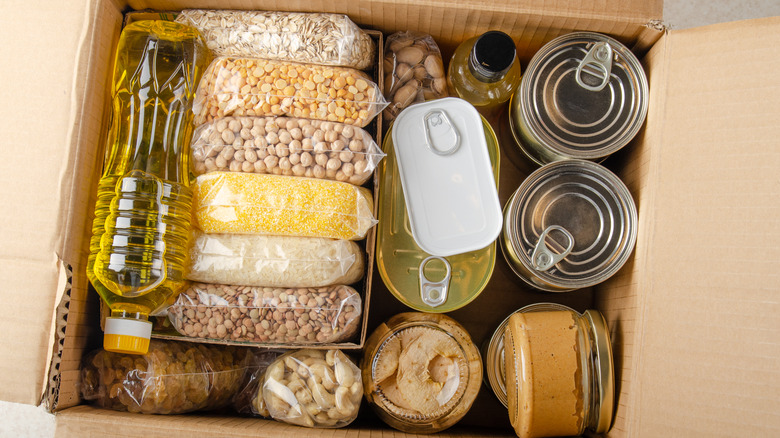
A survival food kit is more than just a box of canned food or snacks. It is a carefully planned collection of food items that can provide the nutrition and energy you need during emergencies. Whether you are preparing for natural disasters, power outages, camping trips, or unexpected situations, having a reliable survival food kit can give you peace of mind.
But what should a good survival emergency food kits actually include? Let’s explore the essential items that make a survival kit both practical and dependable.
Long Shelf-Life Foods
The most important feature of any survival food kit is a long shelf life.
Common long-lasting foods include:
- Freeze-dried meals
- Dehydrated fruits and vegetables
- Rice
- Pasta
- Instant oatmeal
- Dry beans
- Lentils
These foods are lightweight, easy to store, and can last for several years when kept in proper conditions.
High-Energy Foods
During emergencies, your body may need extra energy. A good survival food kit should contain foods that provide plenty of calories without taking up much space.
Good options include:
- Energy bars
- Peanut butter
- Mixed nuts
- Trail mix
- Crackers
- Granola
These foods are convenient, require little or no preparation, and can help keep your energy levels up throughout the day.
Protein Sources
Protein helps maintain muscle strength and keeps you feeling full for longer. Every survival food kit should include reliable sources of protein.
Some good choices are:
- Canned tuna
- Canned chicken
- Dried beans
- Lentils
- Beef jerky
- Freeze-dried meat
These foods provide important nutrients and are easy to store for long periods.
Ready-to-Eat Meals
In some emergency situations, cooking may not be possible. That’s why ready-to-eat meals are a valuable addition to any survival food kit.
Look for meals that only require hot water or can be eaten directly from the package. They save time and make meal preparation much easier when resources are limited.
Drinking Water
Food is important, but water is even more essential. Every survival food kit should include enough drinking water for at least three days.
Experts generally recommend storing about one gallon of water per person per day for drinking and basic hygiene.
You may also want to include:
- Water purification tablets
- Portable water filters
- Collapsible water containers
These items help ensure access to safe drinking water if your stored supply runs low.
Vitamins and Nutrition
Eating only packaged foods for several days may not provide every nutrient your body needs.
Including multivitamins in your survival kit can help fill nutritional gaps. Dried fruits, vegetables, and fortified cereals also provide valuable vitamins and minerals.
A balanced survival kit supports overall health during extended emergencies.
Comfort Foods
Stress is common during emergencies, and familiar foods can help improve morale.
Consider adding small comfort items such as:
- Instant coffee
- Tea bags
- Hot chocolate
- Chocolate bars
- Hard candies
These treats can make difficult situations feel a little more manageable without taking up much storage space.
Food Preparation Supplies
A survival food kit should also include basic supplies needed to prepare meals.
Useful items include:
- Manual can opener
- Disposable utensils
- Lightweight bowls or cups
- Portable stove or fuel source
- Waterproof matches or lighter
Having the right equipment makes it much easier to prepare food safely when regular kitchen appliances are unavailable.
Rotate Your Supplies
Even foods with long shelf lives eventually expire.
Check your survival food kit every six to twelve months. Replace expired items, inspect packaging for damage, and update supplies based on your family’s changing needs.
Regular maintenance ensures your kit is always ready when needed.
Conclusion
A good survival food kit is about more than simply storing food. It should provide balanced nutrition, enough calories, safe drinking water, and easy meal preparation during unexpected situations. By including long-lasting foods, protein sources, ready-to-eat meals, water supplies, vitamins, and basic cooking tools, you can build a kit that supports both your health and your peace of mind.
Preparing in advance means you won’t have to rush during an emergency. A well-stocked survival food kit helps you stay nourished, organized, and confident, allowing you and your family to face unexpected challenges with greater comfort and security.


More Stories
The Art of Vibrant Living: Balancing Mind, Body, and Soul for Holistic Wellness
10 Unexpected Health Hacks You’ve Never Tried
Nourish Your Way: Simple Swaps for a Healthier You